Getting Your GM Vehicle Ready for a Winter Road Trip: Checklist + OEM Parts Guide
A winter road trip can push your GM vehicle harder than a normal commute. Long highway hours, cold starts after overnight parking, steep grades, salted roads and sudden weather changes can turn small maintenance issues into trip delays. A GM winter travel checklist helps you prepare before snow is on the driveway and before the nearest parts store is miles away.
This guide is for Chevrolet, GMC, Cadillac and Buick drivers who want a practical plan. You will find the parts worth checking, the comfort items that make cold-weather travel easier, and the warning signs to handle before you pack the vehicle.
Quick Answer: What to Check Before a GM Winter Road Trip
Before a winter road trip, inspect your battery, tires, brakes, wiper blades, lights, coolant, belts, hoses, spark plugs and fuel system components. Also check simple trip items like washer fluid, tire accessories, emergency supplies, phone chargers, blankets and your route plan.
For GM winter car preparation, think in three groups: parts that help the vehicle start, parts that help it stop and steer, and parts that help you see and be seen. If one of those groups is weak, winter travel gets less predictable.
GM Winter Road Trip Checklist: Essential OEM Parts for Chevy, GMC, Cadillac and Buick
Start With the Trip, Not the Parts
The best winter driving checklist for a GM vehicle starts with the trip itself. A two-hour visit to family on familiar roads is different from a multi-state drive through lake-effect snow, mountain passes or rural highways. Distance, road conditions and access to help should shape your prep.
Ask yourself a few simple questions. Will you be driving after dark? Will the vehicle sit outside overnight? Are you carrying passengers, luggage or towing anything? Will you cross areas with limited cell service? Those answers help decide which maintenance items are urgent and which ones are still worth reviewing.
If you are already shopping for parts and have a number from an old component, invoice or owner records, use the GM part number lookup to avoid guessing. Fitment matters more before a road trip because a wrong part can cost you time you may not have.
Battery Confidence Before You Leave
Cold weather is tough on batteries, and road trips add more demand. You may be starting the vehicle early in the morning while using heated seats, defrosters, navigation, headlights and chargers for long stretches. A weak battery might handle a short local errand but struggle after a freezing hotel parking lot start.
Have the battery tested before the trip if it is older, slow to crank or has needed a jump recently. Check the terminals too. White or green corrosion, loose cable ends and damaged hold-down hardware can cause trouble even when the battery still tests fairly well.
If battery-related parts need attention, you can search GM battery parts before the weather turns. A fresh battery helps, but clean connections and secure mounting matter too.
Tires, Wheels and Road Feel
For winter travel, tires are more than a maintenance item. They are your first safety system. Check tread depth, tire age, sidewall cuts, uneven wear and air pressure. Tire pressure can drop as temperatures fall, so check it when the tires are cold and before the vehicle is loaded for the trip.
If your route includes snow, ice or steady cold pavement, winter tires may be worth considering. All-season tires work well in many places, but they are not all equal in winter conditions. Look at your actual route and forecast, not just the calendar.
Wheels matter too. Bent, cracked or badly corroded wheels can cause vibration, slow leaks or sealing problems. If your winter setup needs a replacement wheel, review compatible GM wheels. Also make sure your spare tire, inflator kit or tire repair tools are present and usable before you leave.
Brakes for Long Drives, Hills and Bad Weather
Local driving can hide brake problems because speeds are lower and stops are familiar. A road trip can expose them quickly. Highway exits, icy intersections, loaded cargo, downhill stretches and stop-and-go traffic all ask the brake system to work smoothly.
Listen for grinding, scraping or squealing. Pay attention to pulsing through the pedal, pulling to one side or a steering wheel shake while braking. These signs should be checked before a long winter drive.
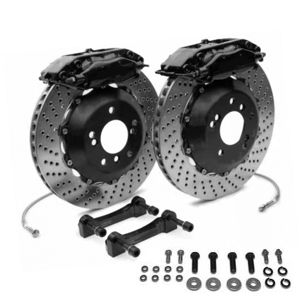
If rotors, discs or hardware are worn, look at GM brake discs, rotors and hardware. Brake pads should be inspected for thickness and even wear as well. For cold-weather maintenance, GM brake pads for winter driving can help you find the right category without relying on vague universal listings.
Visibility Is More Than Wiper Blades
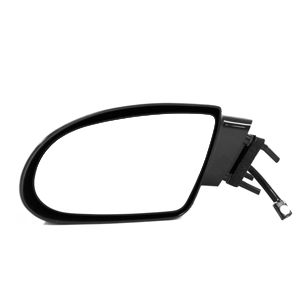
Many drivers replace wipers before winter, which is smart, but road trip visibility goes beyond the blades. You need a clean windshield, working washer system, clear mirrors, bright lights and enough washer fluid to handle salt spray for hours.
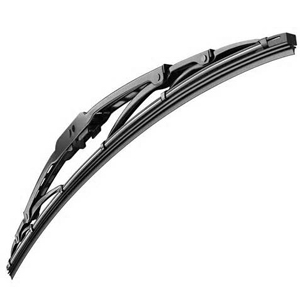
Replace blades that streak, chatter or miss sections of glass. You can find GM wiper blades for a better vehicle-specific fit. Before leaving, fill the washer reservoir with winter-rated fluid and test the spray nozzles. A full reservoir can run low quickly during a messy highway drive behind trucks.
Pack a small snow brush, ice scraper and microfiber towel. Clear the roof, hood, lights and license plate before getting on the road. Snow blowing off your own vehicle can reduce visibility for you and for drivers behind you.
Headlights and Marker Lights for Dark Winter Roads
Winter trips often include early sunsets, fog, snow squalls and wet roads that absorb light. Do not wait until you are on an unfamiliar highway to notice one side of the road looks darker than the other.
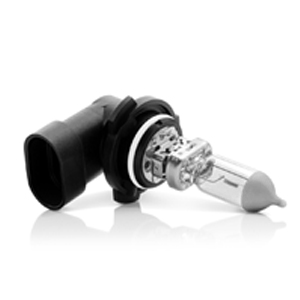
Test low beams, high beams, turn signals, brake lights, reverse lights and hazard lights. If a headlight is dim, cracked or filled with moisture, choose the correct GM headlights for your model. Side markers are easy to overlook, but they help other drivers judge your vehicle position in poor conditions. Replace damaged lamps with matching GM side marker lights.
Clean the lenses before the trip and during fuel stops. Road film and salt can make good lights look weak after only a few hours of winter driving.
Coolant, Heat and Engine Temperature
A winter road trip is not the time to discover that the heater is weak or the cooling system is low. Coolant protects the engine from freezing and helps the cabin heater do its job. Check the level when the engine is cool, and look for leaks, stains or a sweet smell around the vehicle.
If the coolant is old, low or the wrong type, review GM engine coolant and antifreeze options that match your vehicle. A thermostat can also affect trip comfort and engine performance. If the temperature gauge behaves oddly, the cabin heat is poor or the engine takes too long to warm up, inspect the system and consider the correct GM thermostats if replacement is needed.
Belts, Hoses and the Small Parts That Stop a Trip
A cracked belt or leaking hose can turn a vacation day into a tow day. These parts are easy to forget because you do not always notice them from the driver’s seat. Before a winter road trip, open the hood and look for cracks, swelling, fraying, wet spots and dried coolant residue.
A worn belt may squeal at startup or during steering and accessory use. If it shows damage, choose the correct GM serpentine belt. Hoses should feel firm but not brittle, mushy or swollen. If clamps are rusty or leaks appear near connections, review GM hoses and clamps before the issue grows.
Cold Starts, Spark Plugs and Fuel Delivery
Long winter travel often means starting the vehicle after it has sat outside in unfamiliar temperatures. Rough starts, misfires or hesitation can become more noticeable when the engine is cold and the vehicle is loaded.
If your Chevy, GMC, Cadillac or Buick has been idling rough, using more fuel than usual or feeling sluggish, have the ignition and fuel system checked. Worn GM spark plugs can contribute to rough cold starts and uneven running. If diagnosis points toward delivery issues, matching GM fuel injectors may be part of the repair.
Do not replace fuel or ignition parts simply because winter is coming. Use symptoms and diagnosis to guide the decision.
Protecting the Vehicle From Slush, Salt and Gravel
Winter highways can throw a harsh mix of salt, sand, ice chunks and gravel against the lower body. This is especially noticeable on trucks, SUVs and crossovers with wider tires or long road-trip routes.
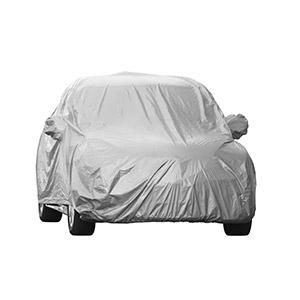
Inspect wheel-well liners, splash shields and guards. Missing or loose pieces can flap, scrape or let more debris into areas that should be protected. If guards are cracked or missing, GM splash guards and mud flaps can help reduce spray and road debris.
After the trip, wash the vehicle, including lower panels and wheel areas, as soon as practical. Salt left in place can keep working long after the roads are dry.
Brand-Specific Prep for Chevy, GMC, Cadillac and Buick
Chevrolet winter road trip prep may involve a small car, family SUV, pickup or performance model. GMC winter driving checklist items may include towing, cargo weight and truck-based use. Cadillac winter car prep often includes checking comfort and electrical features before a long drive. Buick winter maintenance may focus on daily reliability, visibility and smooth travel.
Because GM vehicles vary by platform and trim, browse parts by brand when needed: Chevrolet OEM parts, GMC OEM parts, Cadillac OEM parts and Buick OEM parts. For general buying guidance, read The Ultimate Guide to Buying Genuine GM Parts Online: Upgrade and Repair for Less.
Pack a Smarter Winter Road Trip Kit
- Warm items: Blankets, gloves, hats and extra socks for passengers.
- Visibility tools: Ice scraper, snow brush, flashlight and extra washer fluid.
- Charging support: Phone cables, power bank and a 12-volt charger.
- Tire basics: Pressure gauge, portable inflator if available and knowledge of your spare or inflator kit.
- Emergency supplies: Water, snacks, first-aid kit and basic hand tools.
- Trip planning: Printed route notes or saved offline maps in case service drops.
A kit does not replace maintenance, but it gives you options if weather slows the trip or a minor issue comes up.
Popular Parts Categories
- Air & Fuel Delivery
- Belts & Cooling
- Body
- Brakes
- Driveline & Axles - Front
- Driveline & Axles - Rear
- Electrical - Alternator
- Electrical - Ignition
- Electrical - Starter
- Electrical - Other
- Emission Control
- Engine
- Exhaust
- HVAC
- Lubrication & Fluids
- Steering
- Suspension - Front
- Suspension - Rear
- Tire & Wheel
- Transmission & Transaxle
- Wiper & Washer
Frequently Asked Questions
What should be on a GM winter travel checklist?
A GM winter travel checklist should include the battery, tires, brakes, wipers, headlights, coolant, belts, hoses, spark plugs, washer fluid and emergency supplies. Check these before long trips, not the morning you leave.
How early should I prepare my GM vehicle for winter?
Prepare your GM vehicle before freezing temperatures become regular. This gives you time to inspect parts, order correct replacements and fix small problems before winter travel begins.
Do I need OEM parts for a winter road trip?
OEM parts are a good choice when exact fit, system compatibility and reliable installation matter. They are especially useful for brakes, lights, belts, hoses, thermostats and vehicle-specific components.
What cold weather driving tips matter most on a road trip?
Leave extra following distance, keep the washer reservoir full, clear all snow from the vehicle, watch tire pressure and slow down before bridges, shaded curves and untreated roads.
Where can I get help with GM parts fitment?
If you are unsure which part fits your vehicle, contact GM Parts Space support before ordering.
Make the Trip Feel Less Uncertain
A winter road trip will always have a few unknowns, but your vehicle does not need to be one of them. Use this GM winter travel checklist to catch weak parts early, confirm fitment and prepare for cold starts, dark roads, salt spray and changing weather.
The goal is not to replace every part before every trip. The goal is to know what matters, fix what is worn and leave with a vehicle that feels ready. With the right checks and the right OEM parts, your Chevy, GMC, Cadillac or Buick can head into winter travel with fewer surprises.