Top OEM GM Winter Parts to Replace Before Cold Weather Hits (Best Deals)
Cold weather has a way of finding weak spots in a vehicle. A battery that started fine in fall can struggle on a freezing morning. Wiper blades that only streaked a little in rain can become useless in slush. Worn brake parts, old coolant, cracked hoses and dim lights can all become bigger problems once winter driving begins.
If you drive a Chevrolet, GMC, Cadillac or Buick, checking the right GM winter car parts before temperatures drop can help you avoid stressful repairs, poor visibility and hard starts. This guide covers the parts most worth inspecting before winter, plus practical signs that it may be time to replace them.
Quick Answer: The GM Winter Car Parts to Check First
The most important GM winter car parts to inspect before cold weather are the battery, tires, brake pads, brake rotors, antifreeze coolant, wiper blades, headlights, belts, hoses, spark plugs and splash guards. These parts affect starting, stopping, traction, visibility, engine temperature and protection from salt and slush.
Start with safety items first. Tires, brakes, lights and wipers should be at the top of the list because they directly affect how well you can see, steer and stop. After that, check parts that could leave you stranded, such as the battery, coolant system, serpentine belt and hoses.
Best GM Winter Car Parts to Replace Before Winter: Chevy, GMC, Cadillac and Buick Guide
Why Winter Maintenance Matters for GM Vehicles
Winter driving is harder on vehicles because cold temperatures reduce battery strength, lower tire pressure, thicken fluids and make rubber parts less flexible. Snow, ice, road salt and slush also add wear to brakes, wheels, lighting, underbody areas and exterior trim.
OEM parts are especially useful when fitment matters. Many GM parts vary by model year, engine, trim and body style. If you already have a part number from your old part or service paperwork, the GM part number search can help you look up the correct replacement without guessing.
GM Winter Tires and Wheels
Good tires are one of the biggest factors in winter control. Even the best brake system cannot make up for poor traction. Before winter, inspect tread depth, sidewall condition, uneven wear and air pressure. Tire pressure often drops when temperatures fall, so a tire that looked fine in mild weather may become underinflated after the first cold snap.
Drivers in areas with regular snow or ice may want dedicated GM winter tires. Winter tires use compounds designed to stay more flexible in cold weather, which can help with grip on cold pavement, snow and ice. If you use seasonal wheels, inspect them for corrosion, cracks or damage before mounting them. Replacement GM wheels may be worth considering if your current set is bent, heavily corroded or no longer suitable for winter use.
Do not guess on tire or wheel fitment. The wrong size can affect handling, clearance, ride quality and system readings.
Battery and Cold Weather Starting
A weak battery is one of the most common winter problems. Cold weather reduces battery output while the engine needs more power to start. If your vehicle cranks slowly, needs jump starts or has an older battery, test it before winter arrives.
You can search for compatible GM battery parts if your battery or related hardware needs attention. While checking the battery, inspect cable ends, terminals and hold-down hardware. Corrosion, loose terminals or damaged cables can cause starting trouble even when the battery still has some life left.
Modern GM vehicles depend on steady voltage for many electrical systems. A battery that barely starts the vehicle may also cause warning lights, memory issues or inconsistent accessory operation.
GM Antifreeze Coolant and Thermostats
Coolant helps control engine temperature and protects the cooling system from freezing. Old, low or incorrect coolant can reduce protection and may contribute to corrosion or temperature problems. Check the coolant level, condition and freeze protection before cold weather settles in.
If your coolant needs replacement, review GM antifreeze coolant options that match your vehicle. The thermostat also matters because it helps regulate engine temperature. A failing thermostat can cause poor cabin heat, overheating or unusual temperature gauge behavior. When replacement is needed, use the correct GM thermostats for your application.
Avoid mixing fluids without confirming compatibility. If you are unsure what is already in the system, it is safer to inspect the coolant properly rather than simply topping it off with the wrong type.
Winter Wiper Blades and Windshield Visibility
Winter visibility can change in seconds. Salt spray, sleet, snow and road grime can cover the windshield quickly. If your current blades streak, skip, chatter or leave cloudy areas, replace them before storms arrive.
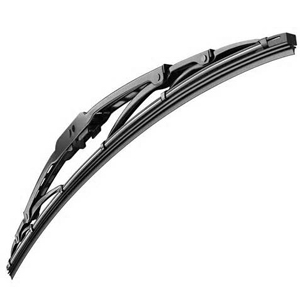
Fresh GM winter wiper blades can make daily driving easier and safer. Also check the washer fluid level, washer nozzles and reservoir cap. Use winter-rated washer fluid when freezing temperatures are expected because summer fluid can freeze in the lines or on the glass.
If your GM vehicle has a rear wiper, inspect that blade too. SUVs and crossovers often collect slush and spray on the rear glass, which can make reversing and lane changes harder.
GM Brake Pads, Rotors and Hardware
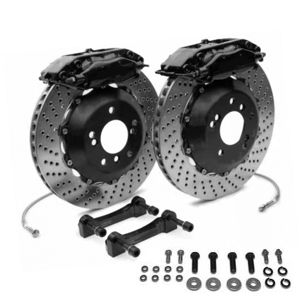
Winter roads require steady, predictable braking. Worn pads, rusted rotors and damaged hardware can lead to noise, vibration, longer stops or uneven braking. If you hear grinding, feel pulsing through the pedal or notice the vehicle pulling when braking, inspect the system before winter driving becomes routine.
Replacement GM brake discs, rotors and hardware can help restore proper braking when parts are worn or damaged. Brake pads should also be checked for thickness, uneven wear and contamination. If the pads are near the end of their life, review GM brake pads for winter maintenance.
Brake hardware is easy to overlook, but it matters. Clips, pins and related parts help pads move correctly. Salt and moisture can cause corrosion, sticking and uneven wear, so replacing only the obvious worn part may not solve the whole issue.
Headlights, Side Marker Lights and Exterior Visibility
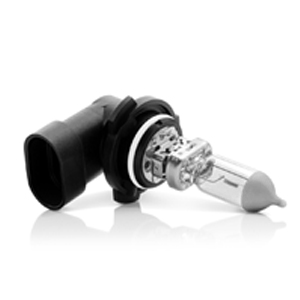
Shorter days and poor weather make lighting more important in winter. Check low beams, high beams, turn signals, brake lights, reverse lights and side markers before the first major storm. Dim, cracked or moisture-filled lights can reduce visibility and make your vehicle harder for others to see.
If your lighting needs attention, use the correct GM headlights for your model. Damaged or failed marker lamps should be replaced with matching GM side marker lights. This is especially important in snow, fog, road spray and early darkness.
Belts, Hoses and Clamps
Rubber parts become less forgiving in cold weather. A worn serpentine belt may squeal, crack or fail. Old hoses can leak after repeated freeze and warm cycles. Hose clamps may also loosen or corrode, creating small leaks that become worse under pressure.
Inspect the belt for cracks, glazing, missing ribs and fraying. If replacement is needed, choose the correct GM serpentine belts. Check coolant hoses for swelling, soft spots, cracking and seepage around connections. Replacement GM hoses and clamps can help prevent leaks before they become roadside problems.
Spark Plugs and Fuel System Parts
Cold starts require a healthy ignition and fuel system. Worn spark plugs can contribute to rough starts, misfires, hesitation and poor fuel economy. If your GM vehicle feels rough on cold mornings, spark plugs may be worth checking.
Use compatible GM spark plugs and follow the proper replacement guidance for your vehicle. If diagnosis points to injector trouble, review matching GM fuel injectors. Avoid replacing fuel or ignition parts by guesswork alone, since rough running can have several causes.
Splash Guards, Mud Flaps and Salt Protection
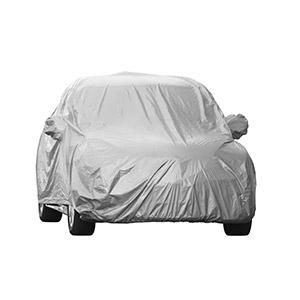
Road salt, gravel and slush can wear on lower body panels, wheel areas and paint. Splash guards and mud flaps help reduce spray and debris, especially on trucks, SUVs and vehicles driven often on salted roads.
If your current guards are cracked, loose or missing, consider replacement GM splash guards and mud flaps. They do not replace regular washing, but they can help reduce the amount of grime thrown onto the body and nearby vehicles.
OEM GM Parts by Brand
Chevy winter parts, GMC winter parts, Cadillac winter maintenance parts and Buick winter car parts may fall into the same categories, but fitment can vary. A part that fits one GM vehicle may not fit another, even within the same brand family.
You can browse by brand using Chevrolet parts, GMC parts, Cadillac parts and Buick parts. If you want broader buying guidance, read The Ultimate Guide to Buying Genuine GM Parts Online: Upgrade and Repair for Less.
Simple Winter Maintenance Checklist
- Test the battery: Replace weak batteries before freezing weather causes hard starts.
- Inspect tires: Check tread, pressure, wear and winter suitability.
- Check brakes: Look for thin pads, rotor wear, rusted hardware and vibration.
- Replace wipers: Install new blades if they streak, skip or chatter.
- Confirm coolant protection: Check level, condition and freeze protection.
- Inspect belts and hoses: Look for cracks, leaks, swelling and loose clamps.
- Check lights: Replace dim, cracked or failed exterior lighting.
- Protect the body: Keep splash guards secure and wash off road salt regularly.
If you are planning a longer cold-weather drive, review Getting Your GM Vehicle Ready for a Winter Road Trip: Checklist + OEM Parts Guide before leaving.
Popular Parts Categories
- Air & Fuel Delivery
- Belts & Cooling
- Body
- Brakes
- Driveline & Axles - Front
- Driveline & Axles - Rear
- Electrical - Alternator
- Electrical - Ignition
- Electrical - Starter
- Electrical - Other
- Emission Control
- Engine
- Exhaust
- HVAC
- Lubrication & Fluids
- Steering
- Suspension - Front
- Suspension - Rear
- Tire & Wheel
- Transmission & Transaxle
- Wiper & Washer
Frequently Asked Questions
What GM winter car parts should I replace first?
Start with the battery, tires, brakes, wiper blades, coolant and lights. These parts have the biggest effect on winter starting, stopping, traction and visibility.
Are OEM GM parts better for winter maintenance?
OEM GM parts are built for specific GM applications, which can help with fit and compatibility. This is useful for parts like lights, belts, hoses, brakes, thermostats and electrical components.
Do I need winter tires on a Chevy, GMC, Cadillac or Buick?
Winter tires are a good choice if you regularly drive in snow, ice or very cold temperatures. They can offer better cold-weather grip than many all-season tires when sized correctly.
How often should I replace GM wiper blades before winter?
Replace wiper blades when they streak, skip, chatter or leave parts of the windshield unclear. Many drivers replace them before winter because salt, snow and ice wear blades quickly.
Where can I ask about GM parts fitment?
If you need help confirming fitment, use GM Parts Space contact support before ordering.
Prepare Your GM Vehicle Before the First Freeze
Winter maintenance is easier when you handle it early. Check the GM winter car parts that affect starting, stopping, heating, visibility and protection from salt. If something already feels weak, noisy, slow or unreliable, cold weather will usually make it more noticeable.
A careful pre-winter inspection can help your Chevy, GMC, Cadillac or Buick feel more dependable when roads get cold, wet and unpredictable. Replace worn parts before the first freeze, confirm fitment before ordering and give yourself a safer start to the season.